
A seat at the table for frontline communities – Indigenous Peoples, small-holder farmers, women and youth
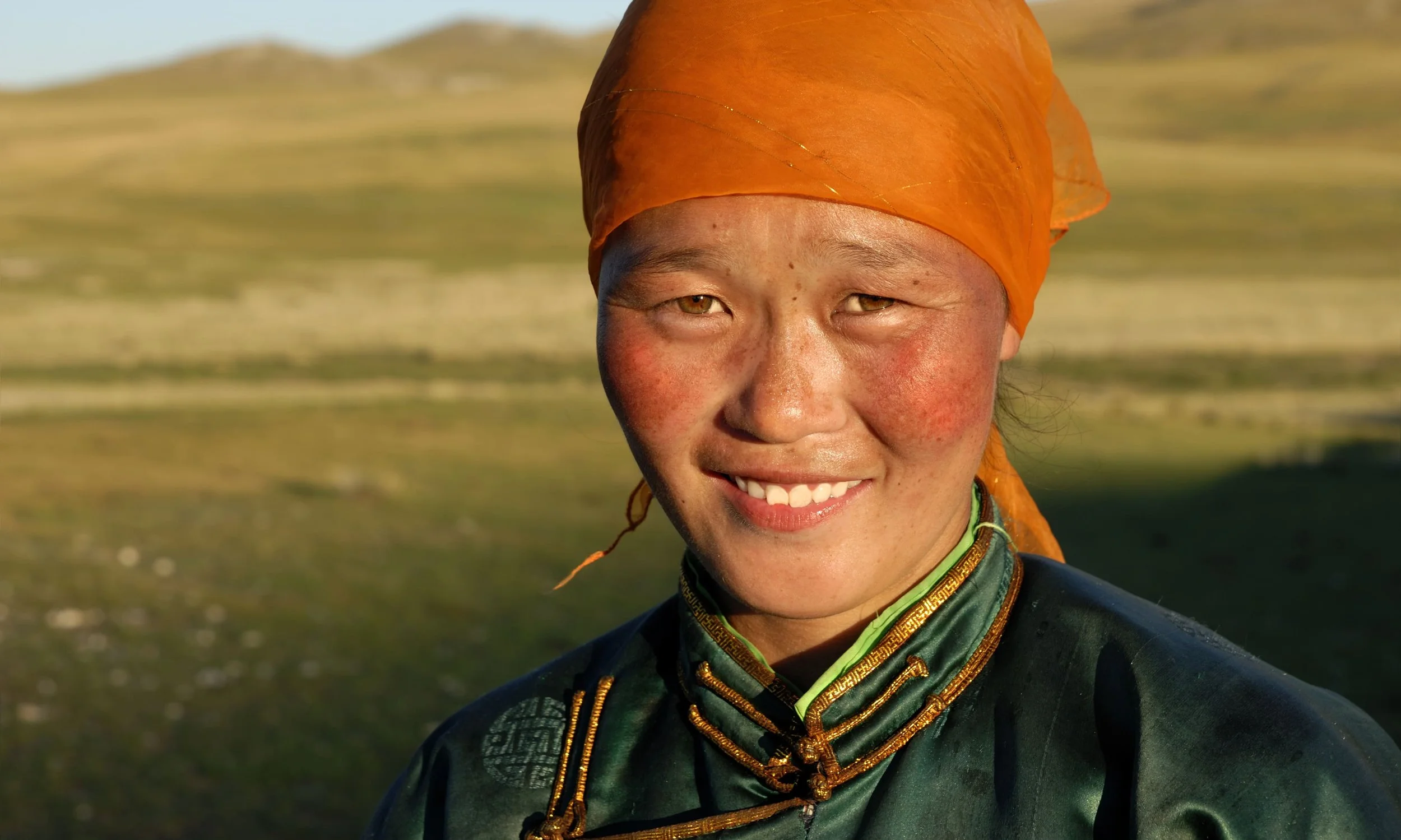
Photo by: Rawpixel - iStock
As well as affecting food security and our economies, land degradation, drought and desertification significantly increase the likelihood of conflicts over scarce natural resources. This leads to worrying – and growing – displacement and migration patterns.
Indigenous Peoples, women and youth stand out as the most affected by the scale and complexity of these increasingly interconnected crises. Yet, while increasingly under threat, they hold the least responsibility in driving the challenges affecting them – and a limited say on addressing them.
Without putting people at the heart of global efforts to conserve and restore land, even the best intended actions could undermine the just transition to sustainability.
Those living in land degradation hotspots hold real-world knowledge of the challenges and human response needed to survive in increasingly hostile conditions.
Indigenous Peoples, women and youth stand out as the most affected by the scale and complexity of increasingly interconnected crises. Yet, while increasingly under threat, they hold the least responsibility in driving the challenges affecting them – and a limited say on addressing them.
To meet the fundamental needs of the world’s most vulnerable and marginalised communities, we must involve them in decisions related to land governance and management, and to drought and water resilience.
This also applies to bridging the global-local gap in science, technology and innovation, so that early-warning and disaster relief systems are adequate and directed to where they are most needed.
And, to optimise the potential of land conservation and restoration investments, it will be key to ensure land tenure security for land managers – especially Indigenous Peoples, smallholder farmers and pastoralists, women and young people – helping to close the gap between global commitments and local practices.
But how do we ensure that people sit at the heart of the solution? Read on...
People's day highlghts and momentum
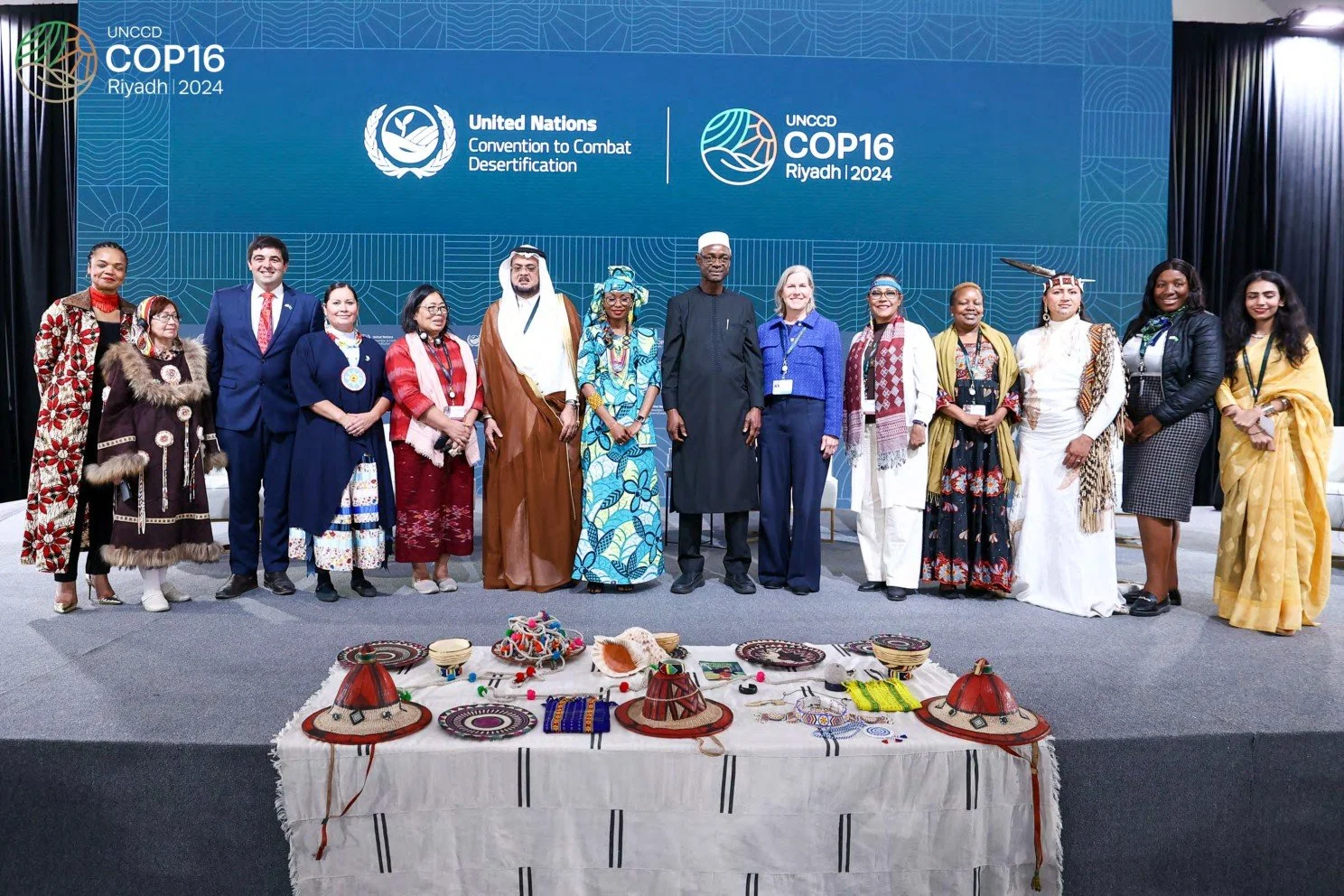
Indigenous Peoples Declaration announced at the First-Ever Indigenous Peoples Forum at UNCCD COP. Image credit: UNCCD COP16
Indigenous Peoples Declaration announced at the First-Ever Indigenous Peoples UNCCD COP dedicated dialogue: The Declaration calls for the recognition of Indigenous People's knowledge systems and positive contributions to land restoration, stewardship and traditional livelihoods. It calls for 1) Respect, recognise, promote and protect Indigenous Peoples rights in the UNCCD policies and actions; 2) Ensure full and effective participation of Indigenous Peoples including women and youth in land-related proceses and programmes at the local, national, regional and international levels; 3) Recognise Indigenous Peoples as a rights-holder distinct from civil society organisations - bringing the UNCCD in line with other Rio Conventions and international fora; 4) Recognise Indigenous Peoples' knowledge systems and positive contributions to land restoration, stewardship and traditional livelihoods (including through a permanent seat on the UNCCD Committee on Science and Technology (CST); 5) Ensure direct access to finances for Indigenous Peoples from all seven socio-cultural regions (including as active observers on the Riyadh Action Agenda and Riyadh Drought Resilience Partnership Fund). Watch the event and announcement recording here.
Discussions cautioned against displacement of local communities to make way for tourism sites and infrastructure - emphasising the need to recognise that the most pristine environments are the product of Indigenous Peoples' stewardship and they have the right to Free, Prior and Informed Consent before tourism projects are implemented. When assessing the potential of tourism sites, it is important to recognise that such conservation efforts offer much more than economic value.
Youth engagement strategy and action plan 2024 announced - Led by UNCCD Secretariat and Youth Caucus Focal Points, is a blueprint for action and serves as a roadmap for youth’s role as a key stakeholder in land stewardship. It articulates a future where young people are not only participants but agents of change in shaping policies that affect their lives and the land they inherit. Underscores the necessity of advancing youth-focused policies, fostering meaningful participation, providing meaningful support and opportunities such as: decent land-based jobs, capacity building through networking and knowledge-sharing. And also acts as a call to stakeholders to unite in creating a fertile ground for youth-led initiatives ensuring their voices are amplified and their contributions are valued. Read the strategy and action plan here.
Happening on the ground in Riyadh
We sat down with Violet Shivutse, the founder of the Kenyan local community health organisation, Shibuye Community Health Workers; Anand Ethirajalu, from Cauvery Calling and Save Soil; and Estrella "Esther" Penunia, from the Asian Farmers Association for Sustainable Rural Development, to discuss how to scale-up and speed up solutions to land desertification, engaging the right actors - those in the frontlines - effectively.
So what?
People are at the centre of the Riyadh Action Agenda, which seeks to elevate the voices and perspectives of those on the frontline of land degradation. Indigenous Peoples and local communities, women and youth, farmers, pastoralists and ranchers are key solution-providers and hold valuable traditional and local knowledge. Yet they are often marginalized and bear the heaviest burden of climate, nature and land-related crises.
Last Friday, a large and diverse group of actors came together for the multi-stakeholder dialogues on Agri-food systems, to share their feedback, insights and expertise that will be considered in the development of the Riyadh Action Agenda. We invite you to join this growing critical mass of public, private and community actors.
From companies, financial institutions, regions, cities, academic research and educational institutions, philanthropy bodies, farming groups and agri-food businesses, to civil society groups, as well as indigenous peoples, local communities, women and youth – everyone is invited, and we all have key roles to play.
Enjoyed this post? Subscribe to the newsletter!
This blog post was authored by the RAA Delivery team (Ambition Loop) as part of the Lay of the Land LinkedIn newsletter. Liked it?
