
Bridging the gap: Scaling land restoration for 2026
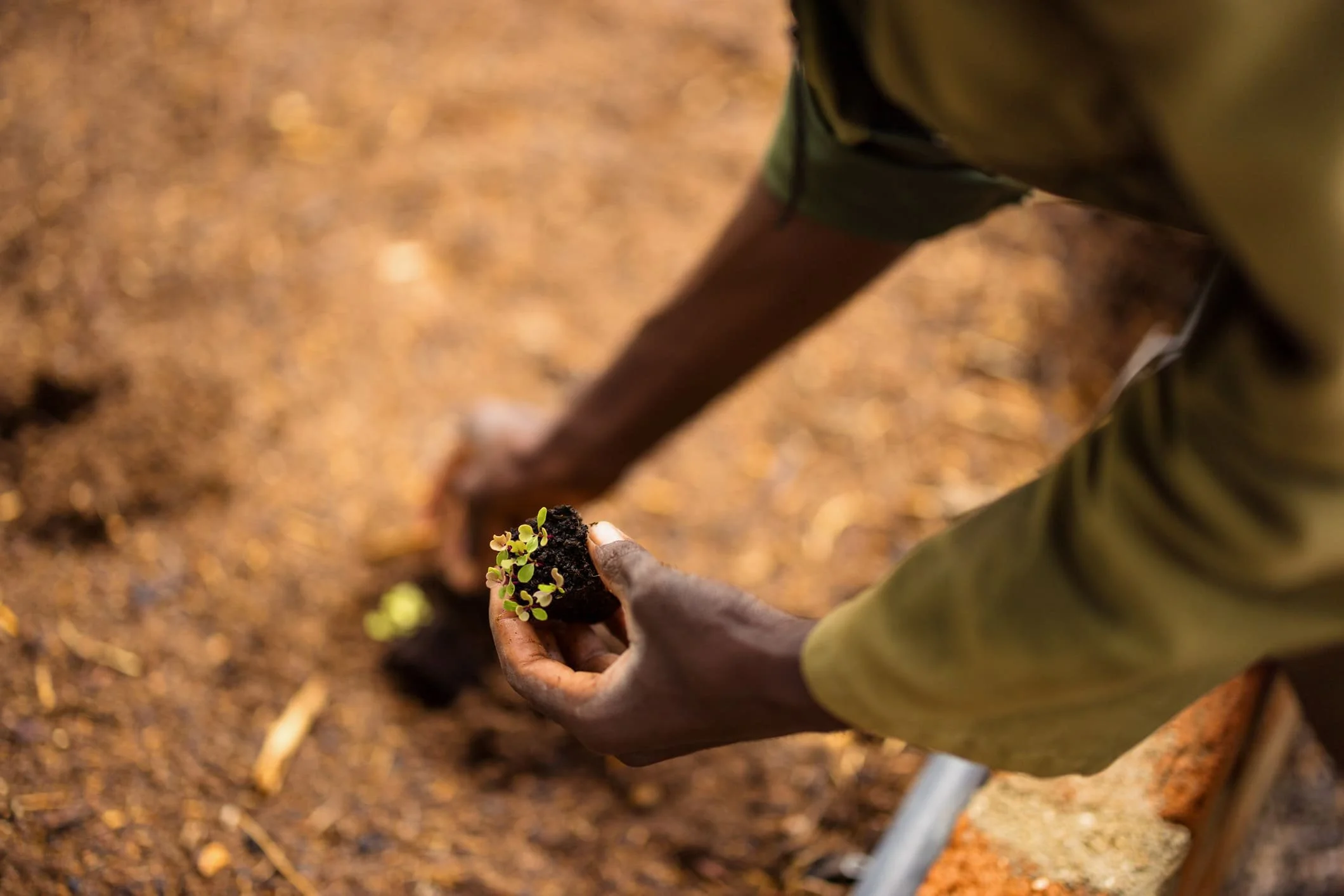
Photo by: Ivan Pantic - iStock
As we wave goodbye to the first quarter of the century, while facing the threat of losing an area the size of South America to land degradation in the next 25 years, we also have a myriad of opportunities within reach to halt this trend, support ecosystems, help tackle the climate crisis, and create up to 60 million new jobs as close as 2030 – by restoring the world’s landscapes.
Read on to get to know some of the inspiring initiatives advancing global land restoration goals, and learn how we’ll be leveraging last year’s momentum to drive the ambition loop for land and soil in 2026…
2025 marked a turning point for humanity in its pursuit to achieve global land restoration goals to:
Conserve and restore 1.5 billion ha of degraded land—including restoring 250 million
Boost drought and water resilience by protecting 30% of lands and inland waters; and
Mobilize US$2.1 trillion in global investments toward these goals.
While acknowledging that these are no small feat, instead of paralysis, people chose to take action (Read our full COP30 analysis). Driven by a spirit of radical collaboration, we worked with more than 100 cross sectoral actors to feed the ambition loop. We take this moment to celebrate some of the initiatives with whom we’re partnering to demonstrate real-world determination to support state-lead commitments and drive further ambition for land conservation and restoration, via the Riyadh Action Agenda (pioneered by the UNCCD COP16 Presidency).
2026: ways we’re building on last year’s momentum
Though starkly aware of emerging geopolitical dynamics undermining multilateral action, 2026 could still see significant milestones in the advancement of international negotiations for land conservation and restoration.
This will be a triple-COP year, with UNCCD COP17 taking place in Ulaanbaatar, Mongolia in August, followed by CBD COP17 in Yerevan, Armenia and UNFCCC COP31 in Türkiye with Australia presiding over negotiations. This, combined with collective, coordinated action by non-state actors and the real economy can provide fertile ground for states to unlock possibility, scale capacity and speed up progress for healthy land that supports ecosystems, water and food security, and the economy alike.
1. Mobilizing real and sustainable finance
According to the World Economic Forum’s 2025 report , the green economy, worth over $5 trillion per year, is the world’s most dynamic growth sector after technology. The opportunity to shift from small-scale pilot funding to scalable financing mechanisms is tangible. In 2025, Ambition Loop launched the Earth Investment Engine, in collaboration with Capital for Climate and the Regional Platform for Climate Project (led by the UN High-Level Climate Champions). This Nature-based Solutions accelerator gained significant traction during COP25 (with over 800 opportunities, worth almost US$ 32 billion), and in November last year it further identified more than US$10 billion in strategic intent to invest by 2027.
This year, through the Earth Investment Engine, we plan to contribute to strengthening the business case for increased financial investment in land restoration and Nature-based Solutions, by helping consolidate, scale and add consistency to fragmented and diverse opportunity pipelines.
The goal: Contributing to the establishment of proof points will boost investor confidence and market demand, encouraging more state investment in high-integrity nature and land-positive projects, and crowding in more private finance through tax incentives, results-based payments, clear policy signals and strong regulatory frameworks.
2. Establishing an action roadmap for land restoration and drought resilience
The Land & Soil Breakthrough Targets are a set of measurable, time-bound milestones that translate the high-level goals of the Riyadh Action Agenda into a roadmap for global land restoration and drought resilience. In 2025, we engaged more than 30 partnering organizations and initiatives in the co-development of the first 15 proposed Targets, socializing them and gathering feedback at key convenings, including the Women’s Land Rights Initiative annual meeting, the 2025 Conference on Land Policy in Africa, UNFCCC COP30, UNCCD CRIC23, and UNEA-7.
In 2026, we are convening a diverse group of experts, drawn from leading organizations and networks, in the Land & Soil Breakthrough Targets Technical Working Group. Through quarterly meetings, this group will guide the consolidation of priority Targets, and support the RAA Community to transition from design toward early delivery and coalition-led action.
The first Technical Working Group (TWG) workshop will be held in person and online, on January 21, to consolidate and refine a set of priority Targets and propose a roadmap and governance framework for delivering on them.
The goal: A validated, science-based, people-centred action framework that creates momentum and mobilizes investment towards land restoration and drought resilience.
3. Monitoring progress and visualizing impact
Over the last year, the Riyadh Action Agenda has evolved from a visionary framework towards becoming a driver of global action, gaining the support of 100 initiatives. As part of their involvement, initiatives are now sharing data on goals, objectives, metrics and more into a centralized RAA system – the foundation of the RAA monitoring framework.
As well as continuing to grow the pool of engaged actors with the RAA, adding robustness to the framework and diversity to the Community, in 2026 we will support the development of the RAA’s dynamic, data-driven global dashboard. Publicly accessible, it will bring to life the monitoring framework by visualizing and amplifying the engaged initiatives and their high-fidelity impact data in the global pursuit of land degradation neutrality and drought resilience.
The goal: A collaborative and directly connected ecosystem that feeds into transparent reporting, helping increase financial markets confidence, inform policymaking and support decision-making for local communities.
So what?...
As a critical actor in safeguarding and stewarding the world’s landscapes, you can play a vital role in 2026.
Formalize your support for the Riyadh Action Agenda (RAA), by expressing your interest and sharing your land restoration and conservation, drought and water resilience, and/or financial mobilization commitments and progress via the official online form. Your contribution to this form will support the development of a robust impact reporting platform to determine progress and enhance accountability on global land restoration efforts.
Learn more about the benefits, process and ways in which you can engage with the RAA Community here.
With special thanks to Association CARICreats InternationalPrince Sultan University Dulcet Association ELD - Economics of Land Degradation InitiativeGlobal Flagship Initiative for Food SecurityGlobal Forest Generation The Good Growth SEKEM GroupFlood and Drought Management ProgrammesInternational Water Management Institute (IWMI)Paran Women GroupRural PM AcademyEBDATree AidWBCSD – World Business Council for Sustainable DevelopmentVaidic SrijanVillage Farmers Initiativefor their ongoing commitment to advancing the global goals for land restoration and drought resilience..
Enjoyed this post? Subscribe to the newsletter!
This blog post was authored by the RAA Delivery team (Ambition Loop) as part of the Lay of the Land LinkedIn newsletter. Liked it?
