
Drought and water resilience: revitalizing our economies, feeding humanity and averting displacement
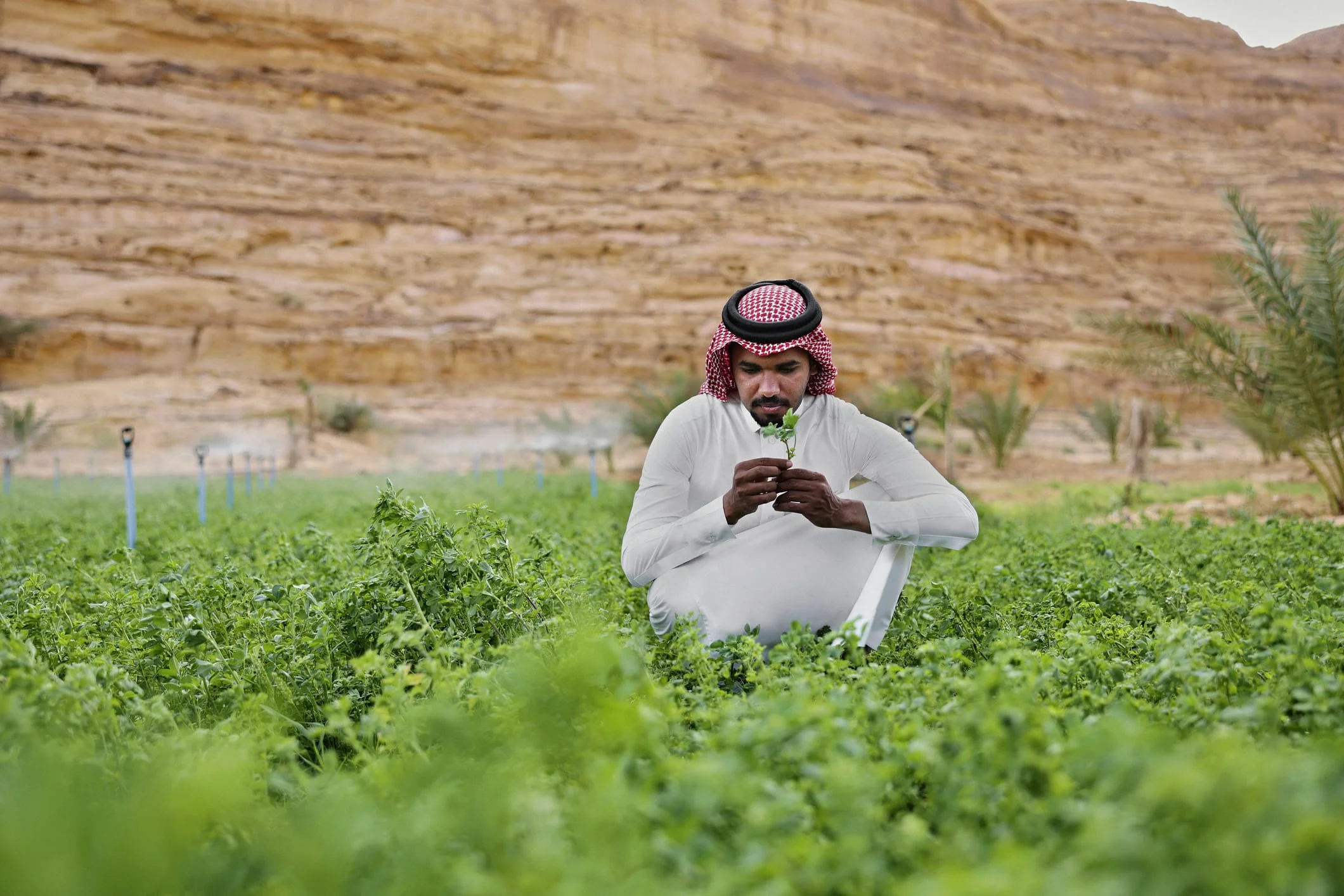
Photo by: xavierarnau - iStock
The effects of droughts globally are tangible: failing crops are sending millions of people into severe hunger; wildfires are ravaging our ecosystems; and conflict and displacement due to water shortages are on the rise.
In 2019 alone, water-related economic losses were estimated to have cost businesses US$425 billion – that is nearly three times the total water-related losses between 1998 and 2017 – with crops failing and livestock dying due to drought.
As well as having an enormous effect on the wellbeing and livelihoods of millions of people, extreme water shortages are fuelling conflicts and forcing thousands to leave their homes. Alarmingly, by 2030, 700 million people could be displaced due to drought.
These trends can be stopped and a better future can be secured for humanity. Transformative solutions to improve drought resilience and enhance water security for 500 million people are already available – but we must grasp them now.
To do this, we need urgent, coordinated investment to scale up nature-based solutions, and to enhance the performance of existing infrastructure through innovation and technology. And underpin this with policies and strategies that are informed by the experiences of the people most affected by water scarcity – promoting sustainable water consumption, and securing a future where this precious resource is accessible for all.
So what measures should and are being taken to safeguard water and its safest home: the land?
Read on to learn what the experts have to say...
Happening on the ground in Riyadh
Resilience day highlights and momentum
The World Food Programme's“Integrated Resilience Programme in the Sahel”: Strengthens communities, having supported 400 million people across more than 3,000 villages, fostering resilience and social cohesion. A significant component of the initiative involves collaboration with a network of Sahel-based universities to leverage local expertise and build capacity. The programme’s economic and social impacts are notable, providing cost-effective humanitarian assistance that supports social and economic stability in the Sahel. Read the report here.
The Drought Action Catalyst launched: An initiative aimed at addressing the severe and ongoing impacts of drought, which have affected over 1.6 billion people and caused over $240 billion in economic losses since 2000. Led by the International Water Management Institute (IWMI) with global partners, the Catalyst is designed to accelerate on-the-ground actions through collaboration and knowledge sharing. Focusing on monitoring and early warning systems, vulnerability and impact assessment, and drought preparedness and mitigation, the initiative aims to enhance resilience in vulnerable regions such as sub-Saharan Africa, South Asia, and Small Island Developing States. Learn more here.
World Bank's Drought Risk and Resilience Assessment (DRRA) Methodology: Early Action on Drought: While droughts cannot be prevented, the DRRA methodology empowers governments to proactively manage these risks. By applying international best practices, the DRRA offers a comprehensive framework to build resilience throughout the entire drought cycle. It enables governments to prioritise actions, optimise resources, and minimise long-term economic losses, breaking the cycle of delayed response and crisis management.
For more drought and water resilience highlights, from the opening day at UNCCD COP16, go here.
Riyadh Digest: what the experts have to say
We sat down with Robert Stefanski, Rachael McDonnell and Manon Albagnac to discuss some of the measures being taken to advance water security – and the opportunities within our grasp.
So what?
Supporting the UNCCD COP16 Presidency, the Kingdom of Saudi Arabia, we’re working with hundreds of partners to build the Riyadh Action Agenda: a landmark initiative, mobilising ambitious, voluntary commitments and action from governments and non-state actors, to conserve and restore 1.5 billion hectares of land by 2030 – helping deliver a prosperous future for all.
The Riyadh Action Agenda, a platform for all interested actors, partners and initiatives to contribute to the UNCCD goals and objectives, complements formal UNCCD negotiations, and promotes alignment with the UN Conventions on Climate and Biodiversity.
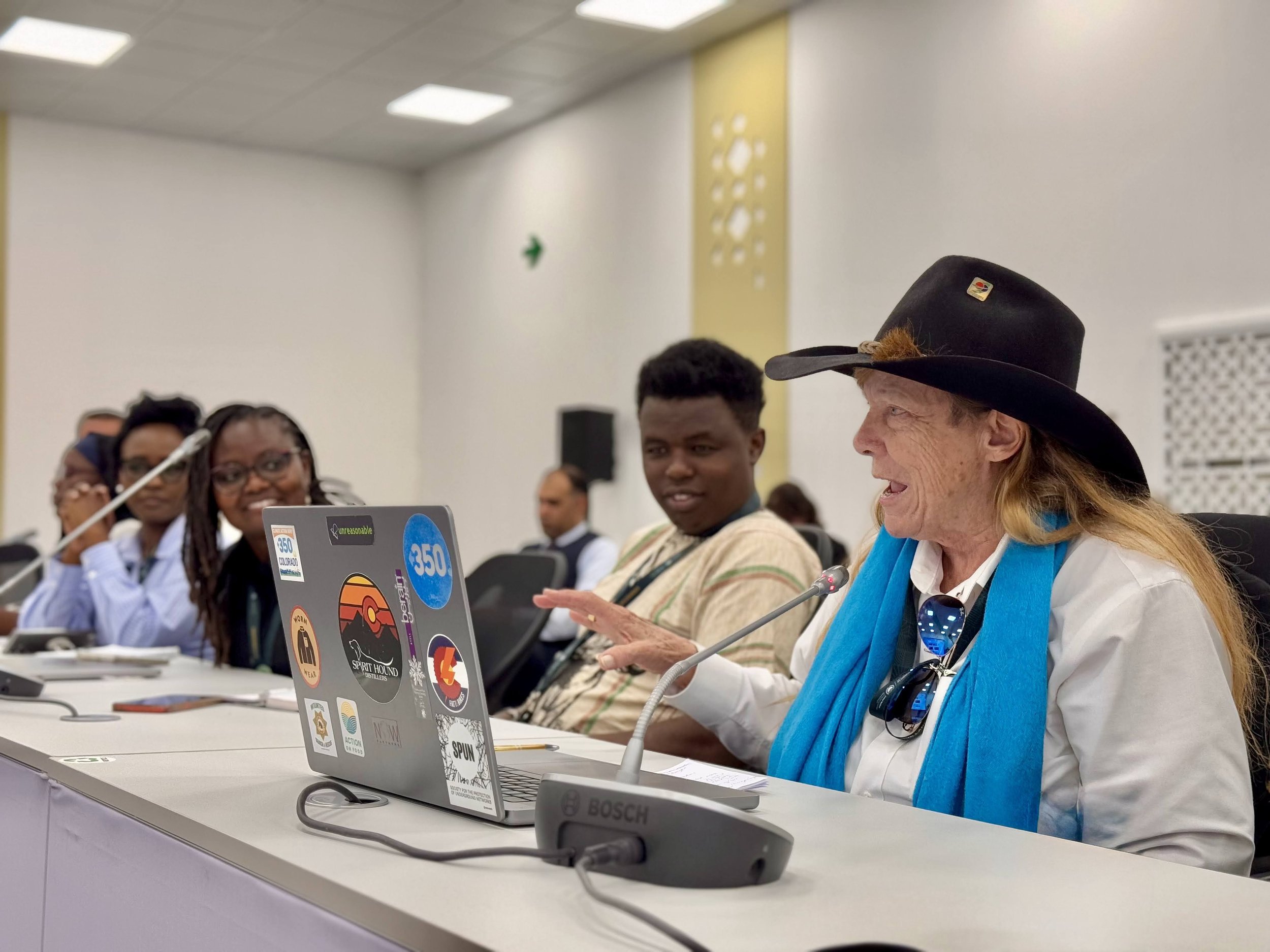
Throughout UNCCD COP16, we held a series of multi-stakeholder dialogues, to gather direct feedback, insights and expertise, and to foster knowledge exchange and dialogue among hundreds of participating actors across society.
See the photo album for the Multi-stakeholder dialogues on Science and Resilience here.
Enjoyed this post? Subscribe to the newsletter!
This blog post was authored by the RAA Delivery team (Ambition Loop) as part of the Lay of the Land LinkedIn newsletter. Liked it?
