
Why is it time to learn from the land to tackle the greatest environmental challenges of our time?
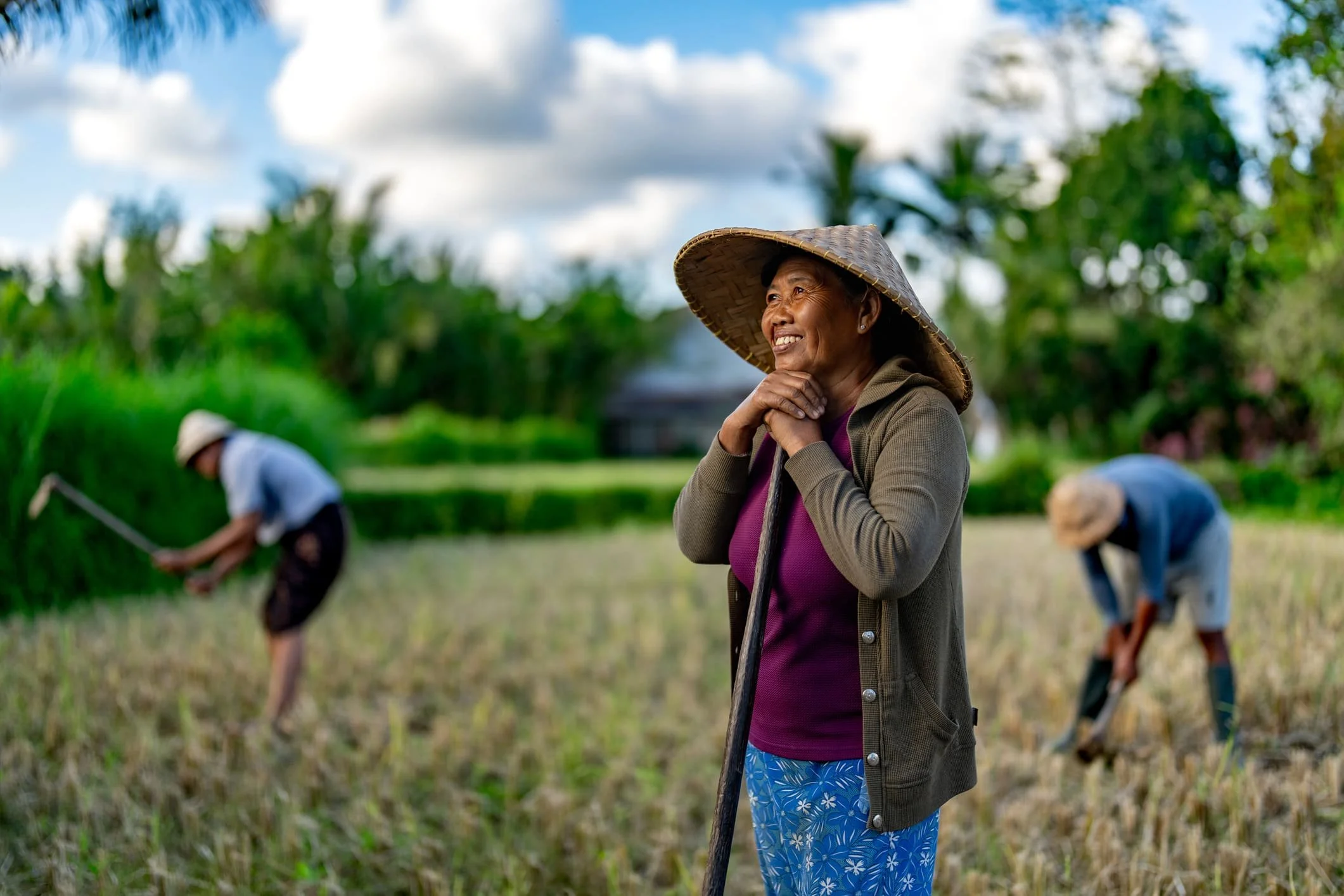
Photo by: andresr - iStock
Did you know there are more living organisms in a tablespoon of soil than there are people on Earth?
If this alone doesn't convince you, read on to find out why it is so important that we protect our land and soil…
Healthy land is essential to the livelihood and sustenance of all humans and ecosystems, and could store up to 3 billion tons of carbon annually. Yet, every second, the equivalent of four football fields of healthy land becomes degraded, adding up to a total of 100 million hectares each year.
40% of the planet’s land is degraded and as close as 2050, this figure could rise up to 90%. This can dramatically jeopardise our food sources, risking up to 50% of the global GDP, displacing up to 700 million people, and dramatically affecting the freshwater cycle, biodiversity, and carbon sequestration.
Marking the United Nations Convention to Combat Desertification (UNCCD)’s thirty year anniversary, UNCCD COP16 will be the largest UNCCD COP to date, and the first to be held in the MENA region – a region with unmatched understanding of the impacts of desertification, land degradation and drought.
COP16 kicked off yesterday, bringing together world governments to renew and reinvigorate their commitment to the UNCCD’s agenda and drive bold and ambitious action on the path to the goal to conserve and restore 1.5 billion hectares of land by 2030.
But governments alone won’t be able to deliver an end-all solution
We need everyone everywhere helping to deliver on the UNCCD goals because the stakes are too high to fail, and the benefits of our collective action outweigh the costs.
For this reason, it is critical to count on the participation and commitments of non-state actors and multi-stakeholder partnerships towards coordinated and collaborative action.
So what?
Supporting the UNCCD COP16 Presidency, the Kingdom of Saudi Arabia, we’re working with hundreds of partners to build the Riyadh Action Agenda: a robust architecture of action that is inclusive of everyone – from agri-food companies to financial institutions, to local governments, smallholder farmers, Indigenous Peoples, research bodies and civil society groups. This action agenda must build from and create synergies with what has already been built by the Climate and Biodiversity conventions, so we can direct our collective focus towards a joint effort for our planet.
It's not too late…yet. But we need everyone’s help – starting with you!
From companies, financial institutions, regions, cities, academic research and educational institutions, philanthropy bodies, farming groups and agri-food businesses, to civil society groups, as well as indigenous peoples, local communities, women and youth – we all have key roles to play.
You're invited to join the Riyadh Action Agenda – the UNCCD's first action agenda to empower non-state actors and government action to contribute to the UNCCD’s goals.
The Riyadh Action Agenda mobilizes public, private and community actors behind state commitments for land and drought resilience.
It unleashes the power of shared goals by demonstrating tangible momentum, driving greater ambition, and showcasing results that increase whole-of-society confidence to drive positive impact.
UNCCD COP16, Riyadh – Opening day highlights and momentum
The opening day’s dialogues and announcements set the stage for robust commitments under the UNCCD, driving global resilience through partnerships, innovation, and inclusive action.
The Riyadh Drought Resilience Partnership: announced by the UNCCD COP16 President Abdulrahman Abdulmohsen Al-Fadhley, with Saudi Arabia initially committing $150 million to the initiative. The partnership aims to promote multilateral efforts to build resilience in drought-affected countries by sharing best practices, such as Turkey’s desertification plan, Somalia’s adaptive financing for water security, and Uzbekistan’s initiative to establish a regional Loss and Damage Center.
Additional financingpledged by the Islamic Development Bank (IsDB) and the OPEC Fund for International Development, each contributing $1 billion, during the ministerial dialogue.
Launch of International Drought Resilience Observatory (IDRO): The first AI-powered data platform for proactive drought management by the International Drought Resilience Alliance, providing a single portal where managers can easily analyse and visualise key social and environmental drought resilience indicators — and use them to make practical decisions.
Launch of World Drought Atlas: The most comprehensive global publication on drought risks and solutions, by the UNCCD and the European Commission Joint Research Centre (JRC), acting as an urgent wake-up call for world leaders and citizens.
Enjoyed this post? Subscribe to the newsletter!
This blog post was authored by the RAA Delivery team (Ambition Loop) as part of the Lay of the Land LinkedIn newsletter. Liked it?
