
Moving to inclusive land and water governance to secure rights and build resilience
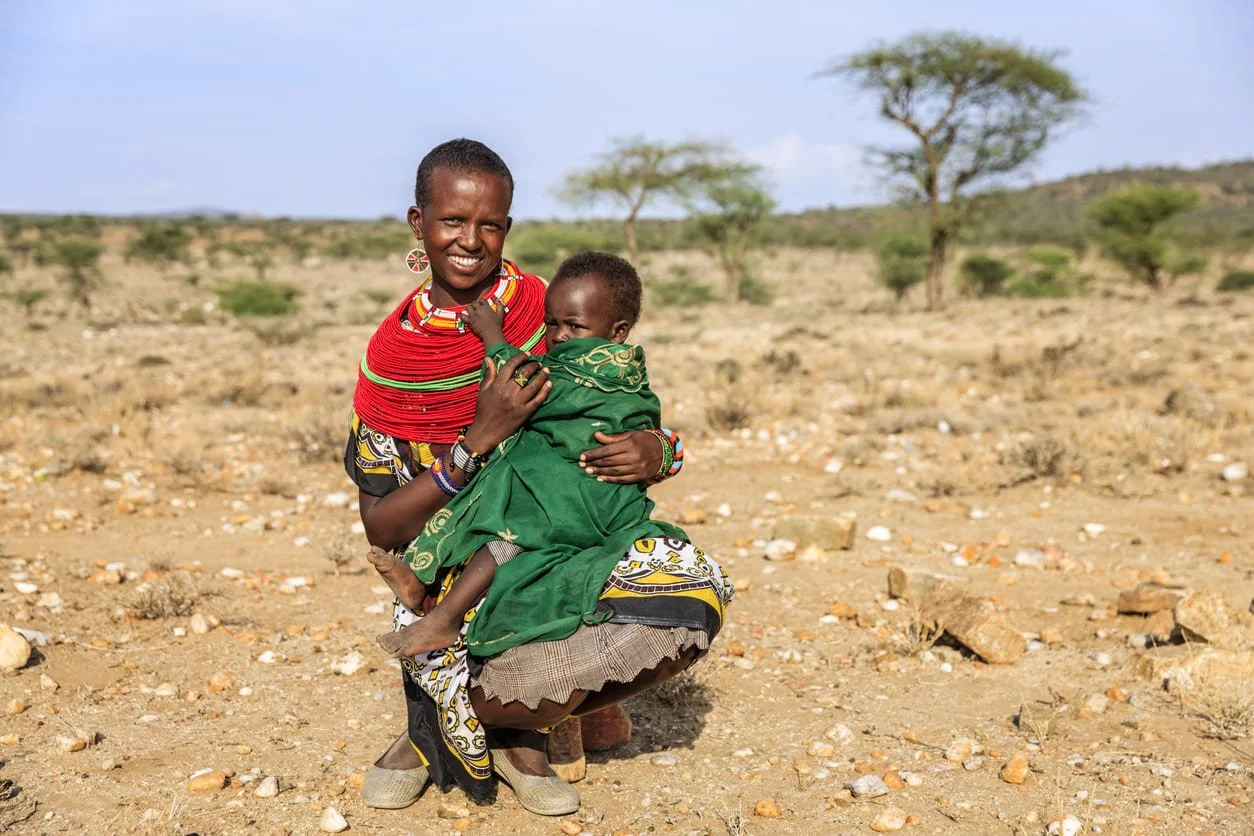
Photo by: hadynyah - iStock
Land inequality threatens the livelihoods of 2.5 billion smallholders and 1.4 billion of the world’s poorest people, as the largest 1% of farms control over 70% of farmland. Women hold less than 15% of land, and 80% of farms are under two hectares, excluded from global food chains. This imbalance leads communities to overuse resources, risking land degradation.
In addition to meeting basic human needs, we need land to achieve biodiversity conservation, climate change mitigation, and other sustainability goals. Yet, it is a finite resource that is already severely impacted by unmeasured exploitation for food and fuel, as well as by the unsustainable management of existing farmland and rangelands.
It is estimated, that meeting current climate pledges alone will require over 1 billion hectares of land (larger than the combined territories of the European Union, India, South Africa, and Turkey).
Without factoring in restoration of degraded farmland into climate and biodiversity pledges, and fully involving frontline land stewards in land use planning and other decision making processes, land demand for restoration targets could trigger large-scale land grabbing and other human rights abuses. Already, Indigenous Peoples and other frontline stewards and defenders of the world’s remaining pockets of rich biodiversity are under threat.
The Voluntary Guidelines on the Responsible Governance of Tenure (VGGT) aim to support inclusive land governance processes that safeguard legitimate land rights for the most vulnerable groups. But, uptake of the VGGT at national level has been disappointing. In 2019, UNCCD Parties adopted a landmark decision reiterating the value of the VGGT and urging countries to apply the principles of responsible land governance within their land degradation neutrality programmes and other measures to combat land degradation.
Land governance actions at the national level also encompass integrated land use planning that takes into account urban-rural linkages. This promotes sustainable land management by improving coordination across governance levels and ensuring that rural, peri-urban, and urban regions work together toward common sustainability goals.
So what measures can governments and non-state actors take to empower land stewardship? Read on to see what the experts have to say...
Happening on the ground in Riyadh: Governance day
Highlights and momentum
Declaration of Call for Engagement - Local and Regional Governments United Against Drought and Desertification: Joint roadmap between the Local and Regional Governments Constituency and UNCCD, in collaboration with key stakeholders, designed to be policy-oriented and supportive of local action.
Launch of the Primer on Urban-Rural Linkages and Land: describes the relevant actors, frameworks, and tools that can be used to support Land Degradation Neutrality (LDN) initiatives by strengthening urban-rural linkages and making them more resilient. Access here.
“Securing Land Tenure Rights to Achieve Land Degradation Neutrality” report: highlights the critical gaps in protecting land tenure rights across six African countries and proposes steps to align policies with the needs of people and the planet., emphasising the importance of women’s land rights, as they are disproportionately impacted by land degradation and climate change.
Mayors emphasise their critical role in combating desertification, drought, and land degradation through integrated governance, innovative solutions, and community-driven actions. Calls for enhanced cooperation, inclusive finance, and recognition of their decisive role were made to ensure sustainable land and water management and meaningful contributions to global frameworks.
Voluntary Guidelines on the Responsible Governance of Tenure (VGGT) highlighted as a key framework for integrating secure land tenure into national policies to drive sustainable land restoration and resilience. Experts emphasised the need for strengthened legal frameworks, collaboration, and investment to close tenure gaps and empower rural communities for sustainable development.
Riyadh Digest: what the experts have to say
We sat down with three experts working with frontline communities, in research, and with youth, to discuss the role of governance in land protection, restoration and drought resilience; accountability mechanisms; community capacity-building for improved land and water governance; and the critical issue of representation.
So what?
From companies, financial institutions, regions, cities, academic research and educational institutions, philanthropy bodies, farming groups and agri-food businesses, to civil society groups, as well as indigenous peoples, local communities, women and youth – we all have key roles to play.
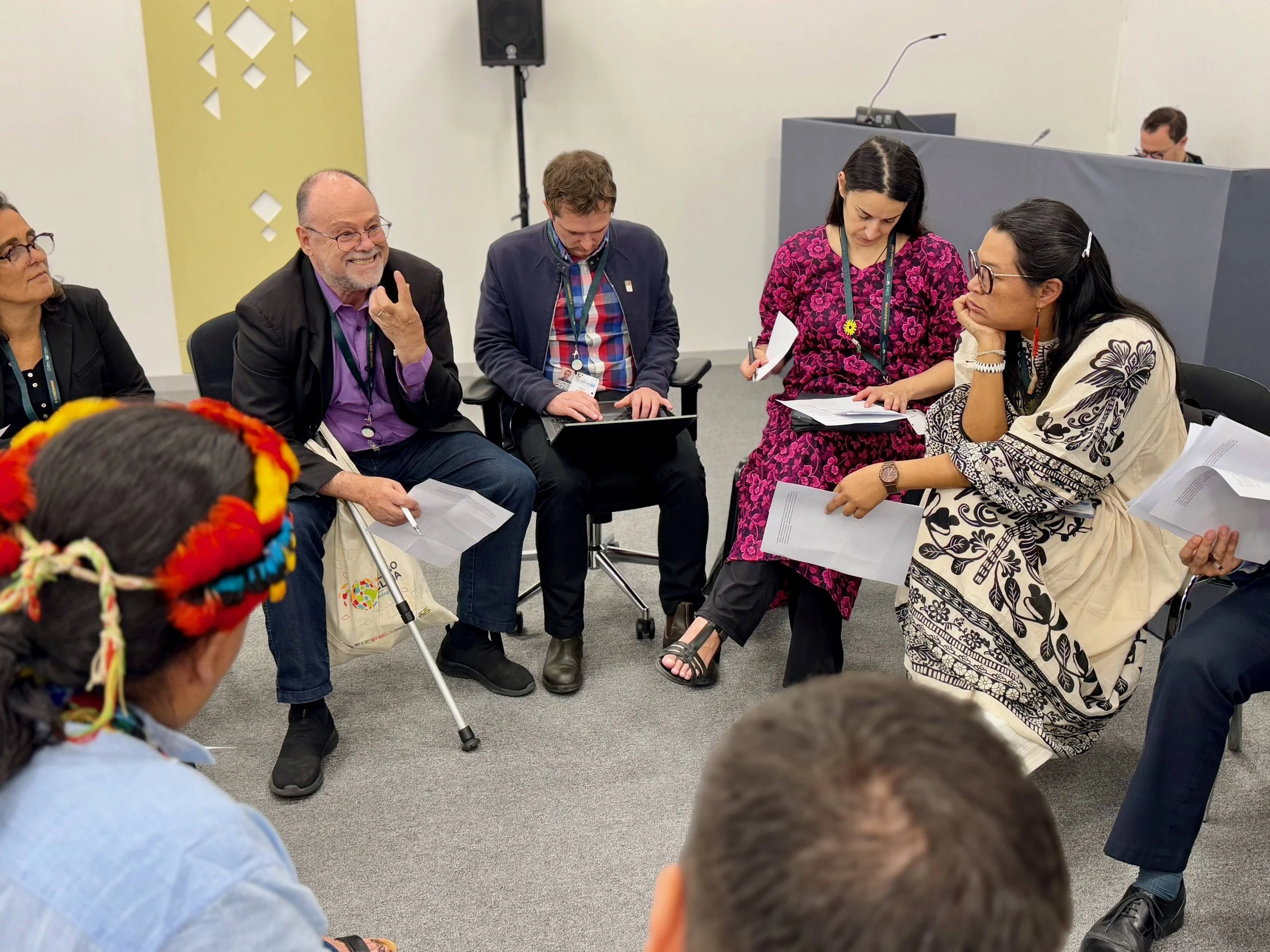
Riyadh Action Agenda multi-stakeholder dialogues on Agri-food Systems
A large and diverse group of actors came together for the multi-stakeholder dialogues on Agri-food systems, to share their feedback, insights and expertise that will be considered in the development of the Riyadh Action Agenda.
See the photo album here.
So what?
Public, private and community actors are invited to join the Riyadh Action Agenda: the UNCCD COP16 Presidency, the Kingdom of Saudi Arabia's landmark initiative mobilising ambitious, voluntary commitments and action from governments and non-state actors, to conserve and restore 1.5 billion hectares of land by 2030.
Enjoyed this post? Subscribe to the newsletter!
This blog post was authored by the RAA Delivery team (Ambition Loop) as part of the Lay of the Land LinkedIn newsletter. Liked it?
