The Land Breakthroughs are a proposed set of time-bound, measurable milestones, translating high-level goals on land restoration and drought resilience into a practical, science-based roadmap for coordinated action and commitment.
They provide a common framework to align voluntary non-state actor commitments, reduce overlap and make collective progress visible and investable.
Launched at UNCCD COP17, the Land Breakthroughs have been co-developed through a participatory process co-led by a diverse group of expert partners in the Riyadh Action Agenda Community.
Channelling the energy of actors who are ready to act now
The Land Breakthroughs align actors around common goals to move from fragmented efforts to coordinated, landscape-level impact.
They complement the UNCCD process, and support its objectives, boosting systemic change on land conservation, restoration, and drought resilience, with people at the core.
KEY ELEMENTS
Each Land Breakthrough includes clear indicators and monitoring pathways:
✓ Biophysical outcomes (hectares under restoration and conservation)
✓ Finance mobilized (USD committed)
✓ Governance reform (tenure rights secured)
✓ Equity and rights (benefits to Indigenous Peoples & Local Communities)
Land Breakthroughs
-
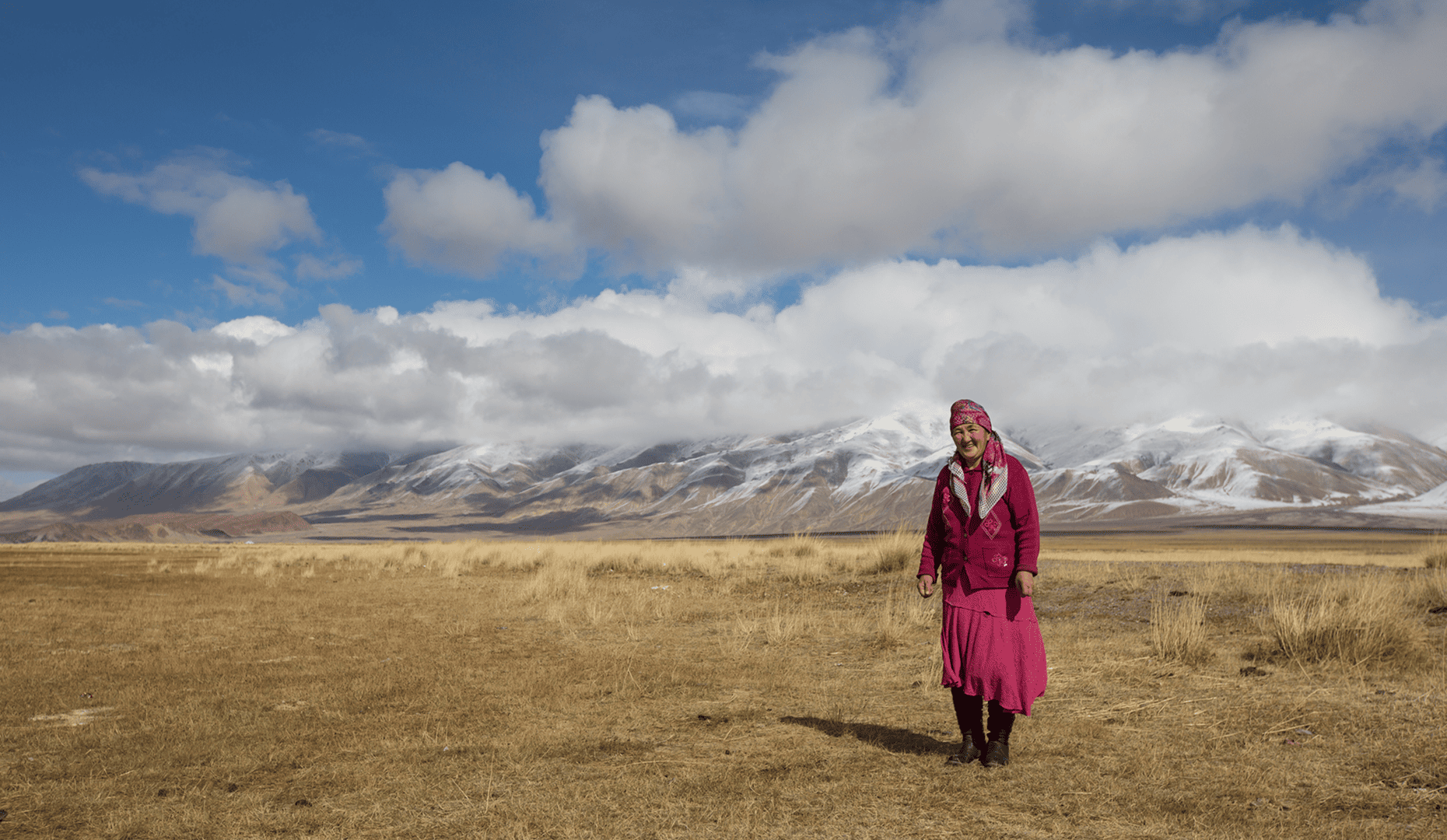
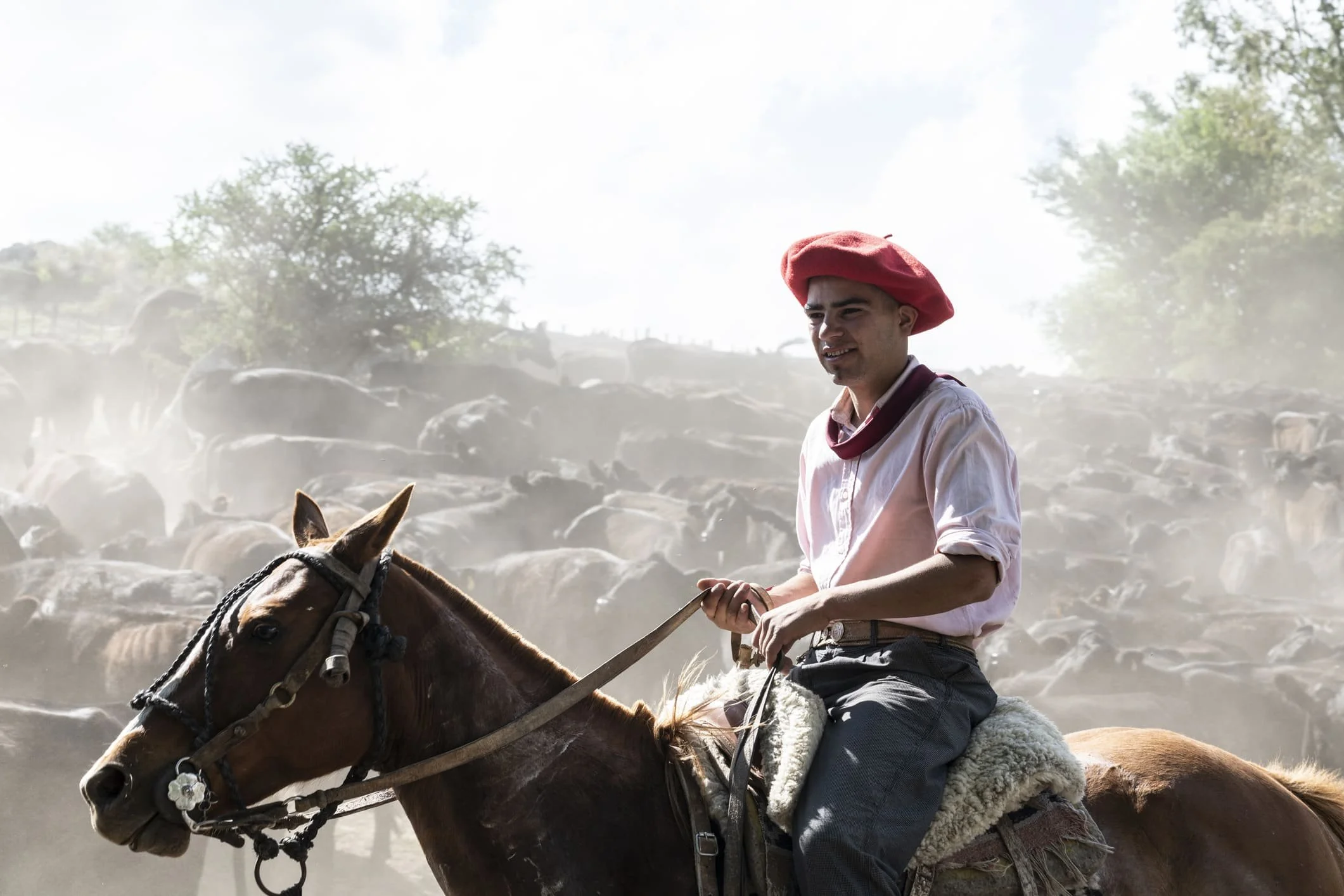
➜ Bring 400-600 million hectares of degraded rangelands, grasslands and savannahs (10-15% of ~4 billion hectares of degraded rangelands) under conservation, improved inclusive management, or restoration, benefiting up to 2 billion people.
➜ Mobilize USD 155 billion in public, private, and blended finance for rangeland conservation, sustainable management and restoration, aligned with the Rangelands Flagship Initiative.
➜ Support up to 500 million pastoralists through strengthened stewardship and governance systems and more secure land and resource rights.
➜ Strengthen alignment of monitoring, indicators, datasets and reporting systems for rangelands across scales.
➜ Contribute to bringing 350 million hectares of degraded and deforested land under restoration, aligned with the Bonn Challenge.
2030 milestones under discussion
-
➜ Transition 250 million hectares of degraded farmland and rangelands to sustainable land management practices, without conversion of pristine ecosystems and landscapes, aligned with UNCCD and RAIZ.
➜ Work toward 50% of food globally being produced through sustainable agriculture practices, aligned with the Breakthrough Agenda.
➜ Mobilize USD 105 billion in public, private, and blended finance for the restoration of degraded farmland, aligned with RAIZ.
➜ Accelerate the adoption of agroecological, regenerative and sustainable agriculture by securing land and resource tenure rights for Indigenous Peoples, pastoralists, women, youth and other local land stewards.
➜ Support integrated landscape-level partnerships across land degradation hotspots linking farmland restoration to adjacent rangelands, waterways or forests.
-
Land and water ecosystems
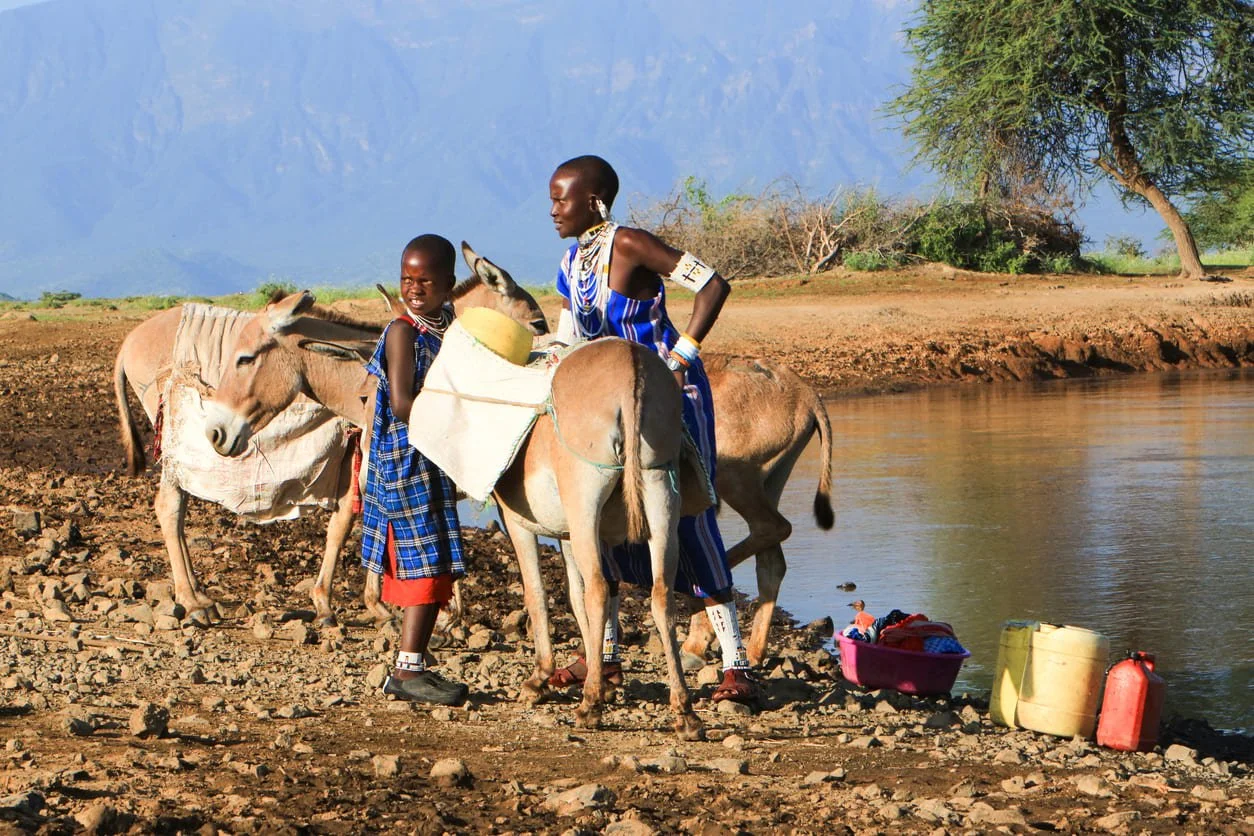
➜ Restore and protect inland water ecosystems in drought-prone basins, contributing to the Freshwater Challenge goals of 300,000 km of rivers and 350+ million hectares of wetlands, aligned with the Freshwater Challenge, alongside approximately 30 million hectares of peatland rewetting and restoration, aligned with the Peatland Breakthrough.
➜ Improve water retention, groundwater recharge and hydrological stability across priority drought-prone basins, while expanding drought-resilient management of dryland landscapes.
➜ Mainstream nature-based solutions into national drought, climate and adaptation planning in high-exposure countries, supported by stronger green-water accounting and secure tenure for community-led action.
➜ Increase finance for ecosystem-centred drought resilience, building toward the existing benchmark of approximately USD 7 billion per year for water-related nature-based solutions.
Anticipatory drought action
➜ Support high-exposure drought-prone countries to operate integrated drought-risk systems connecting monitoring and impact-based early warning with predefined action triggers, aligned with Early Warnings for All.
➜ Work toward 100–300 million people in drought-prone regions being covered by pre-arranged, trigger-linked anticipatory support by 2030.
➜ Expand standardized action triggers, observation systems and drought-impact tracking across priority countries and basins, including improved monitoring in LDCs and SIDS.
➜ Increase the share of drought finance that is pre-arranged and available before impacts escalate, with particular attention to the most vulnerable countries.

-
➜ Expand adoption of integrated urban–rural governance, spatial planning and territorial development approaches across national, subnational and local governments and functional territories, aligned with the New Urban Agenda.
➜ Bring peri-urban, rural and connected landscapes under improved integrated planning, restoration, protection and sustainable land management linked to urban–rural resilience.
➜ Scale and document practical models for territorial food systems, watershed restoration, green and blue infrastructure, circular bioeconomy and climate-resilient spatial planning.
➜ Strengthen the meaningful participation of rural communities, smallholders, pastoralists, women, youth and Indigenous Peoples in territorial governance.
➜ Contribute to mobilizing USD 1 trillion for nature-based solutions benefiting urban communities, while strengthening indicators and datasets that track the land impacts of urban–rural flows, aligned with the Sharm El-Sheikh Adaptation Agenda.
Breakthrough Coalitions
The ongoing development and refinement of the Land Breakthroughs has been made possible by a group of coalitions of expert partners from the Riyadh Action Agenda Community.
Breakthrough Coalitions build on the progress made on land restoration and drought resilience. They aim to grow momentum towards 2030 and beyond, by aligning their work on land and soil with similar initiatives in the climate and biodiversity Rio Conventions.
With an initial group of four thematic coalitions, this collaboration model seeks to build a joint narrative, milestones and practical roadmaps that expand capacity to advance land restoration and drought resilience, as pillars for thriving people, nature and climate.