

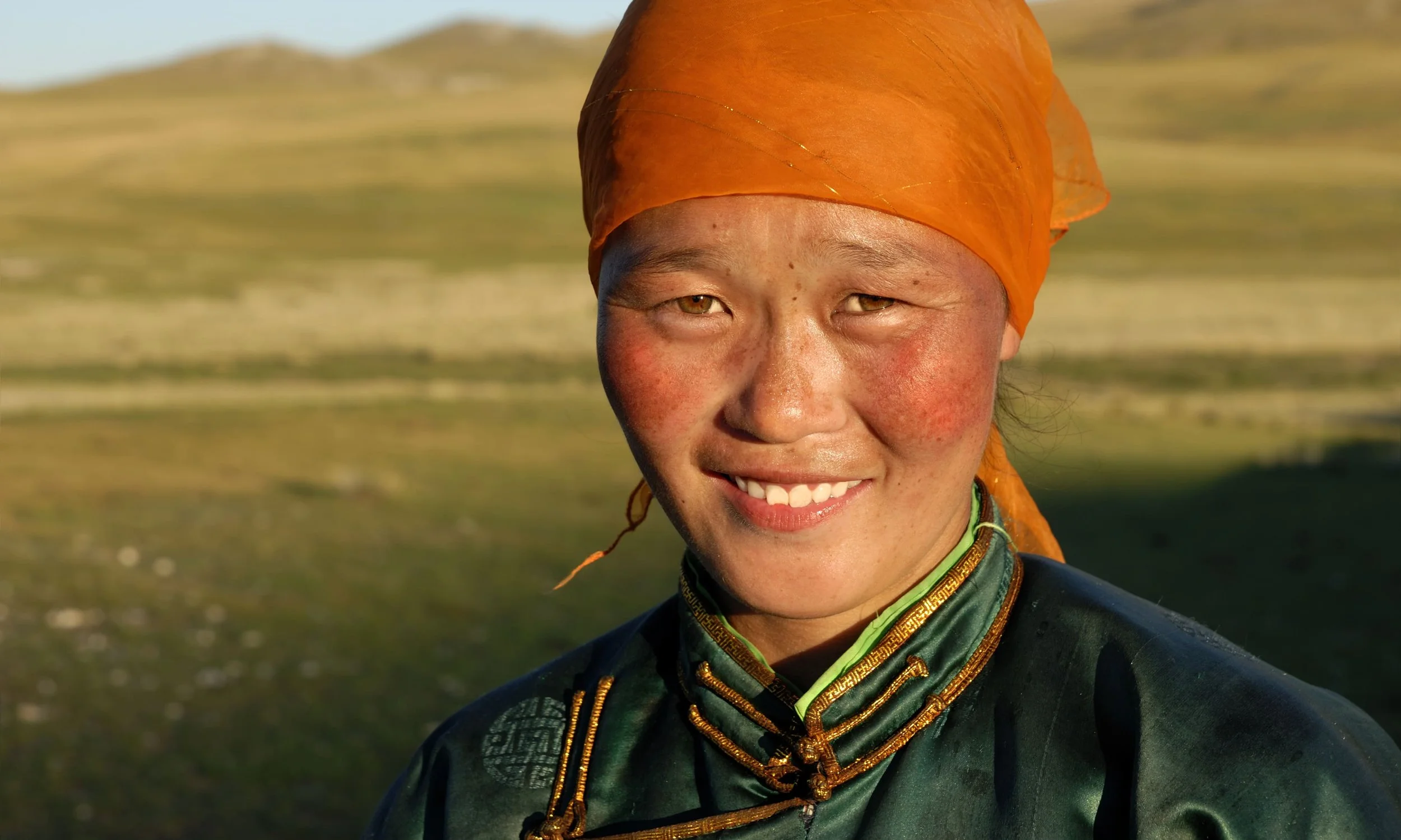
UNCCD COP17 Programme Highlights
UNCCD COP17 in Ulaanbaatar is almost here (17-28 August) and the Riyadh Action Agenda Community has a rich programme lined up across both weeks.
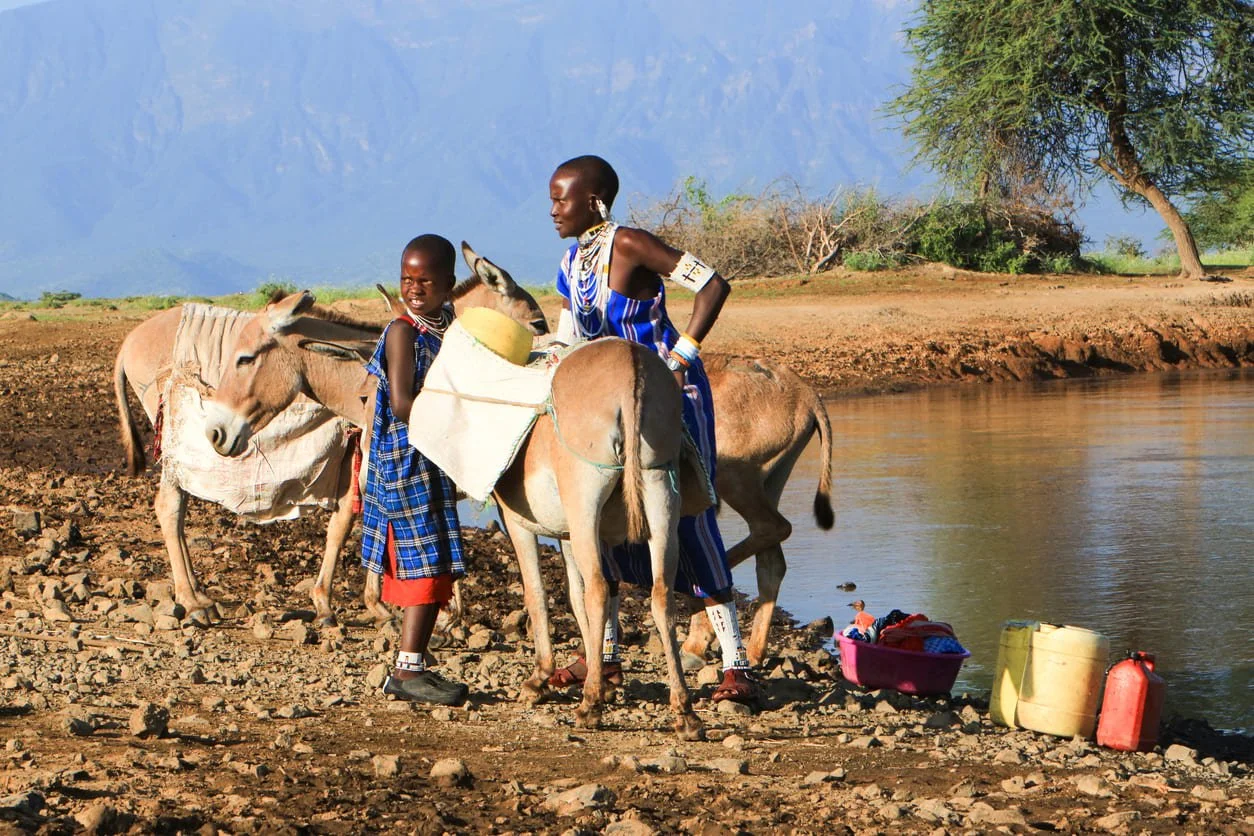
Water and drought: the shift the triple-COP year cannot afford to get wrong
On 17 June, the world marked the World Day to Combat Desertification and Drought, hosted this year in Kenya, a rangeland-rich country that is highly exposed to the compounding pressures of land degradation and recurrent drought. With a triple-COP year seeking alignment across the land, biodiversity, and climate agendas more than ever before — the window to turn that message into integrated, accountable, financeable action for water and drought resilience is open.
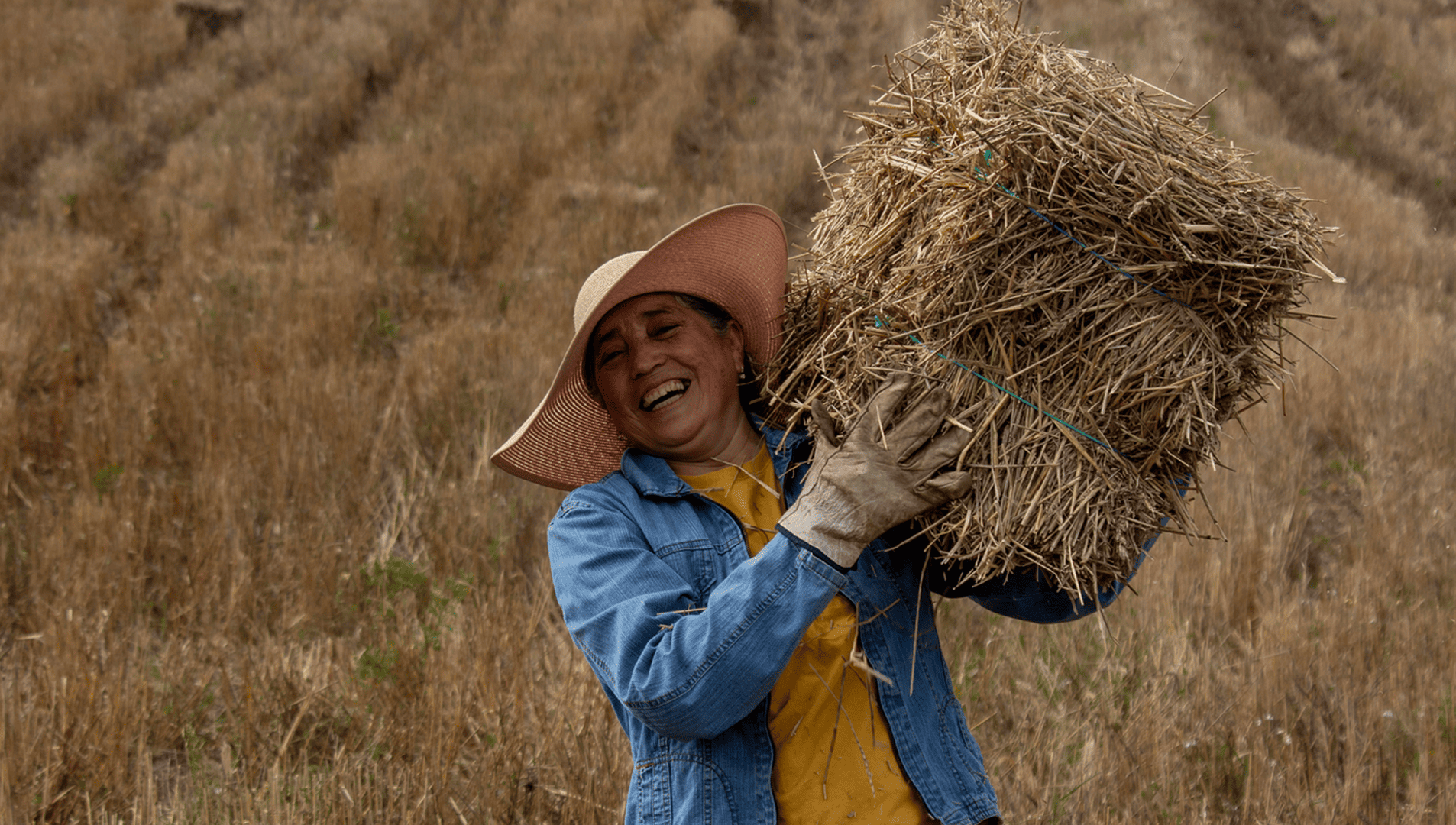
Global security, agricultural land, and the choice before us
Last month saw a significant shift in the politics of land restoration. G7 ministers formally declared that desertification, land degradation and drought are systemic global challenges and security risk multipliers – bringing these looming social, economic and security threats to the main agenda of global policy.
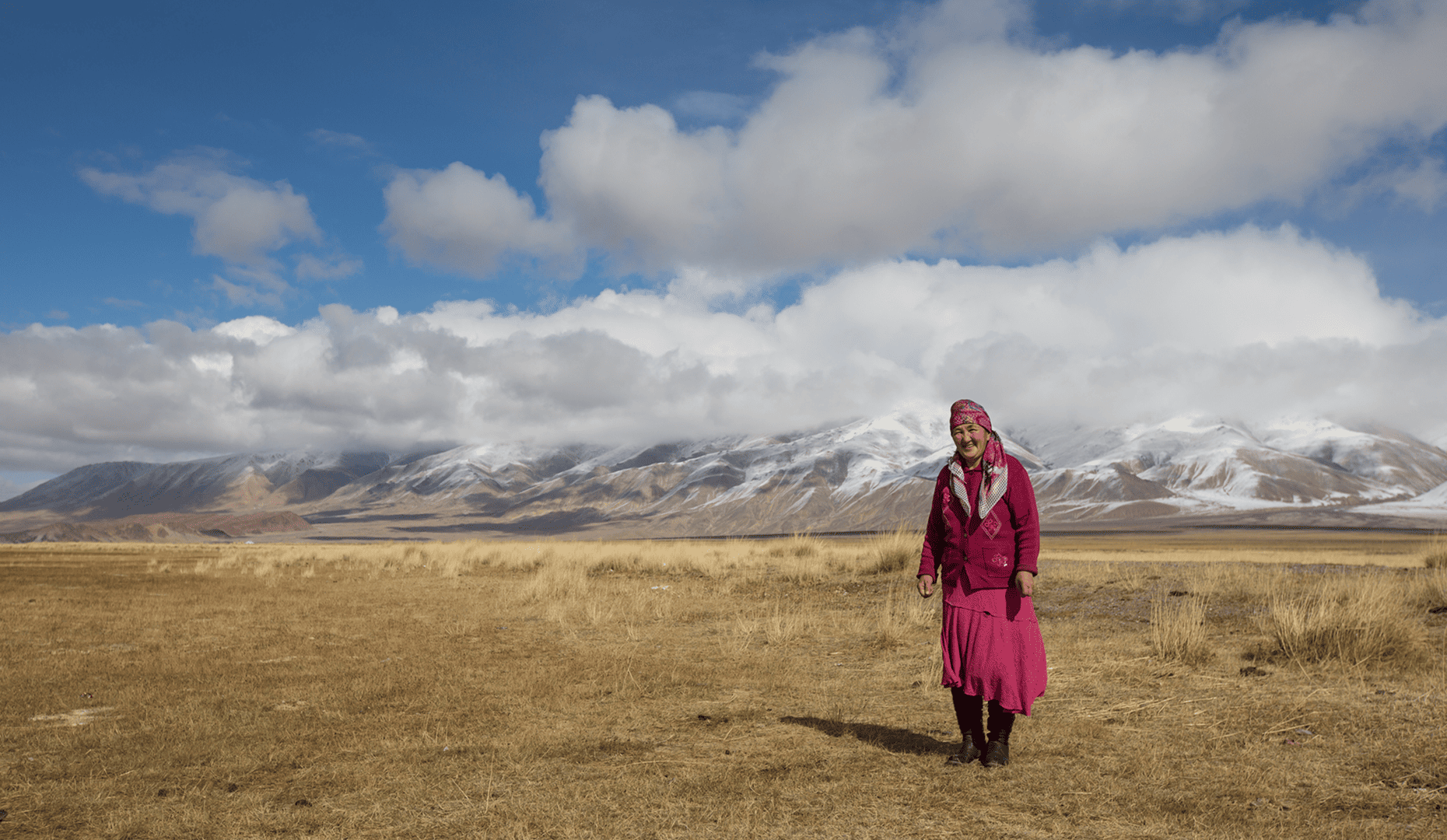
Land restoration in motion – the untold story of rangelands
When global conversations turn to degraded land, the default image is retreating forest edges and satellite images of clearcuts. But more than half the story remains untold. In this issue we draw our focus to rangelands – grasslands, savannahs, shrublands, deserts, and tundra, covering 54% of the planet's terrestrial surface. But 2026, the International Year of Rangelands and Pastoralists, could change this.
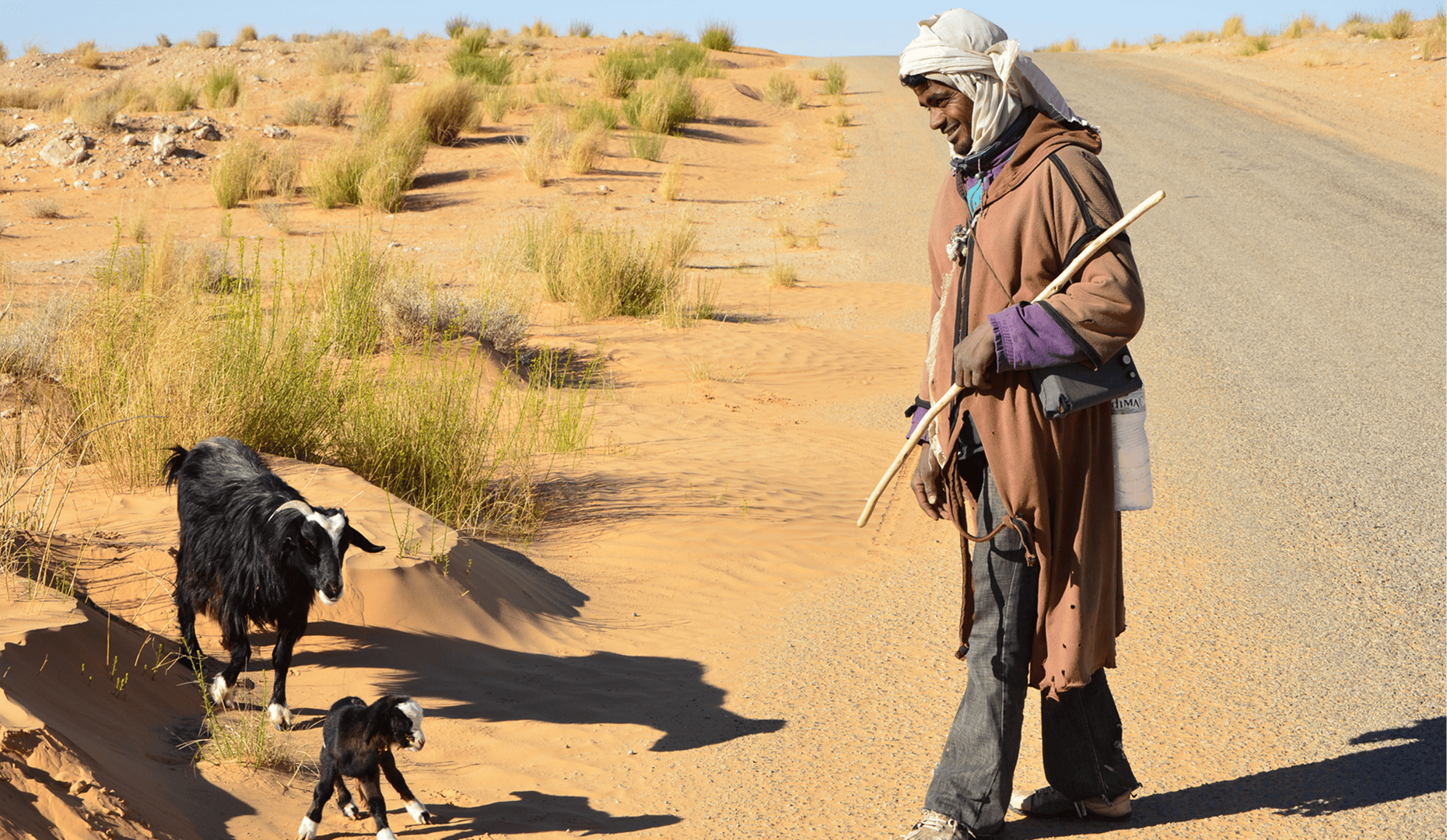
From Riyadh to Ulaanbaatar: civil society sets the terms for COP17 at Djerba
The Désertif'actions Summit in Djerba, convened over 500 voices from 50 countries gathered not simply to discuss the road to COP17 (17-28 August, Ulaanbaatar, Mongolia), but to co-construct the civil society case for it: working groups, plenary outputs, and advocacy drafts that map directly onto the formal negotiations as well as the thematic days at Ulaanbaatar. Who was in the room, what were the key takeaways and what’s coming up?
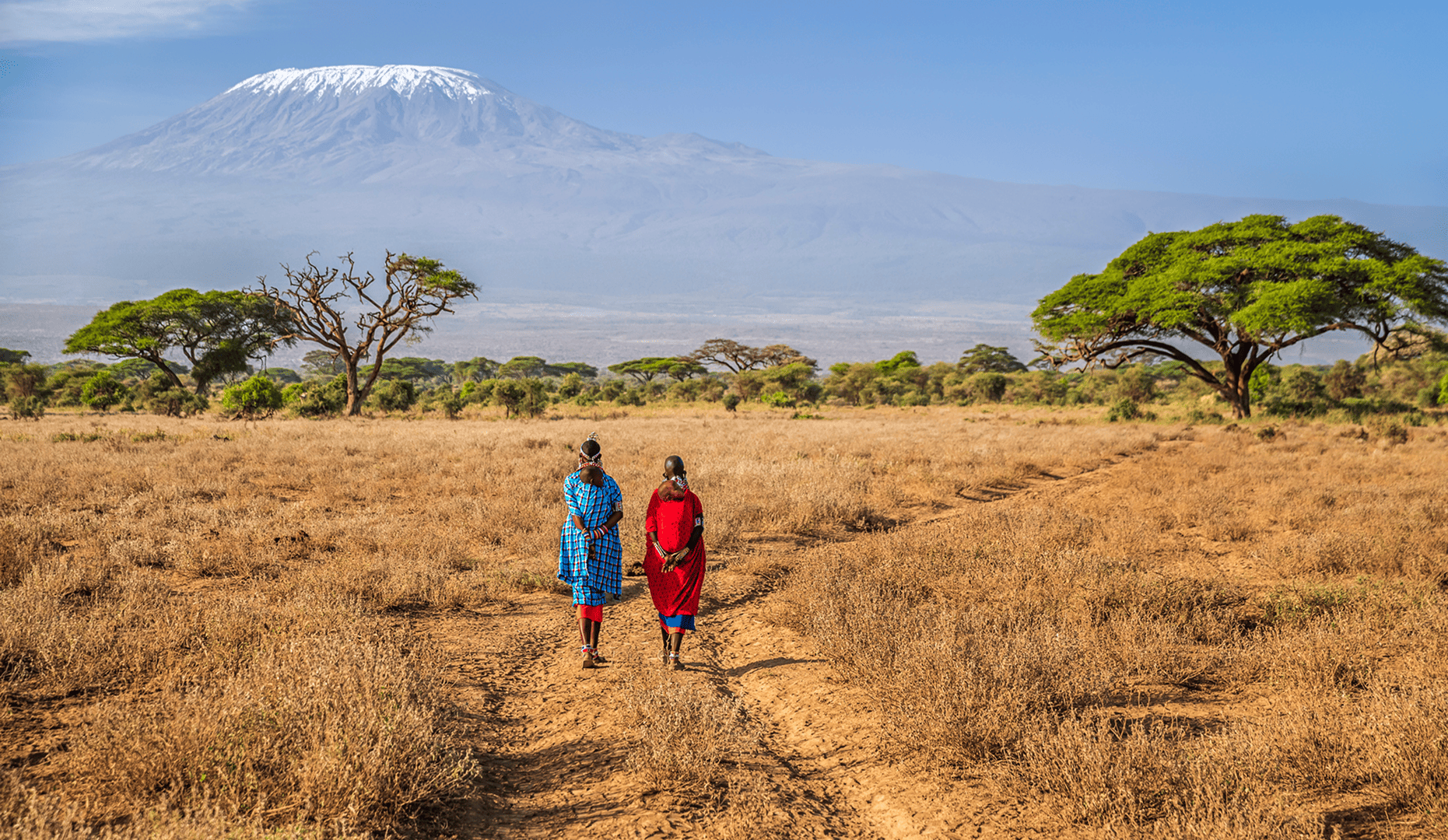
The next critical step for land restoration and drought resilience
If you've worked in sustainability, agriculture, or natural resource management, you've likely experienced a pattern: high-level goals announced at global summits, generating genuine excitement and commitment, which soon morphs into the overwhelming challenge of delivering concrete actions that businesses can invest in, governments can regulate around, and communities can implement on the ground.
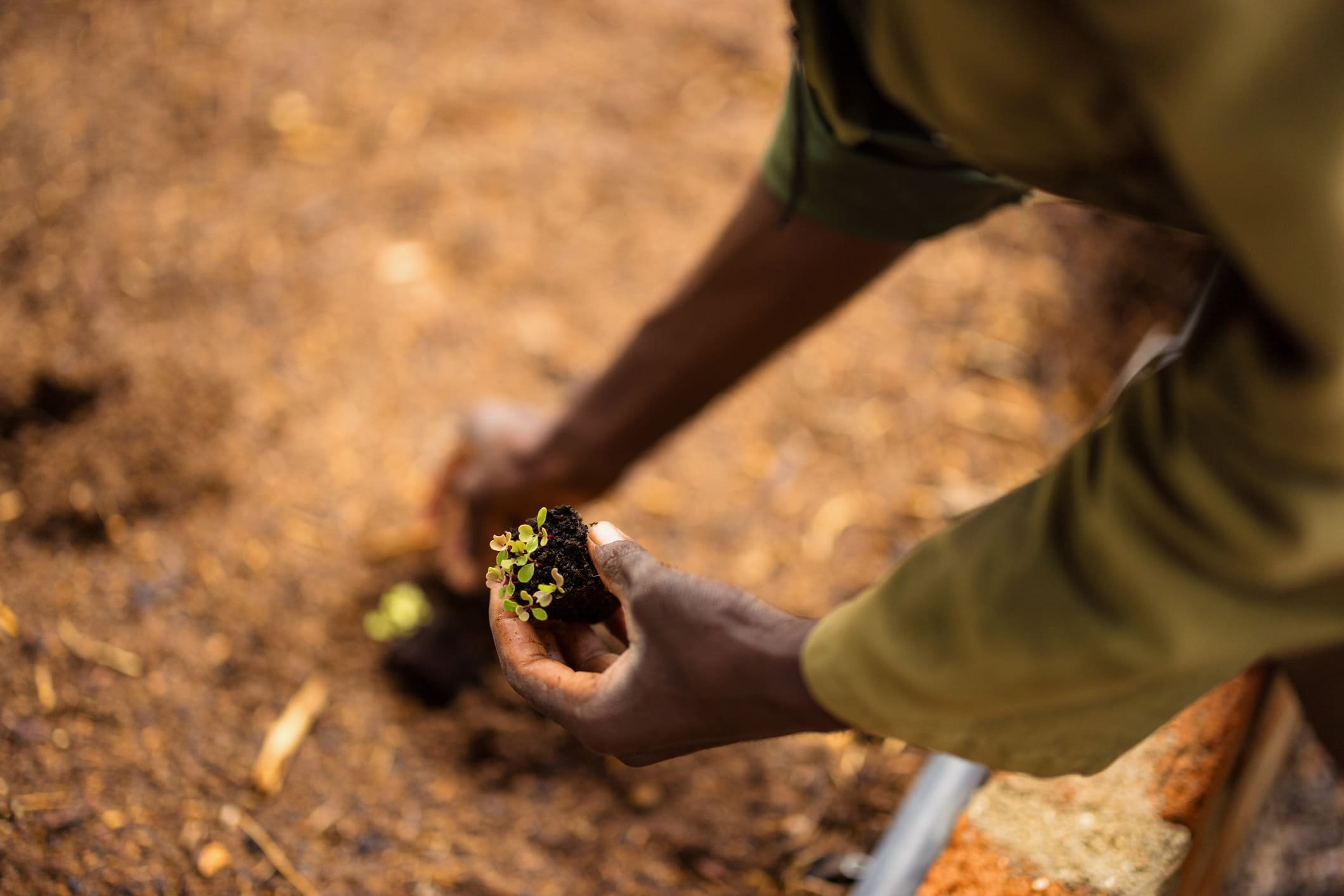
Bridging the gap: Scaling land restoration for 2026
As we wave goodbye to the first quarter of the century, while facing the threat of losing an area the size of South America to land degradation in the next 25 years, we also have a myriad of opportunities within reach to halt this trend, support ecosystems, help tackle the climate crisis, and create up to 60 million new jobs as close as 2030 – by restoring the world’s landscapes.
The impact of COP30 on global landscapes
World leaders, business leaders, young people, climate scientists, Indigenous Peoples, and civil society came together, embracing the spirit of mutirão at the UN Climate Change Conference, COP30 (Belém do Pará, Brazil). While much has been discussed about negotiation outcomes, what was the lay of the land in Belém? And what does it all mean for the urgent need to course correct the degradation of the world’s landscapes?
From ambition to action: the road to COP30 after Climate Week NYC
Less than 30 days are left until the start of the UN Climate Change Conference, COP30: a turning point in the global effort to tackle climate change and save our planet. Halfway through the decade for climate action and ten years after the Paris Agreement, COP30 will be critical for the global community to shift from goal-setting to concrete action. So what’s the lay of the land on the road to Belém?